Neurology
Neurology Testing You Can Trust
- Advanced Brain Imaging
- Expert Neurologist Review
- Early Detection Focus
- Patient-Friendly Procedures
- Fast & Reliable Reports
- Comprehensive Test Range
Get accurate insights into your brain and nervous system health. Our advanced neurology tests ensure early detection and effective care. Expert analysis, fast results, and patient-focused service—every step of the way.
Electroencephalogram (EEG)
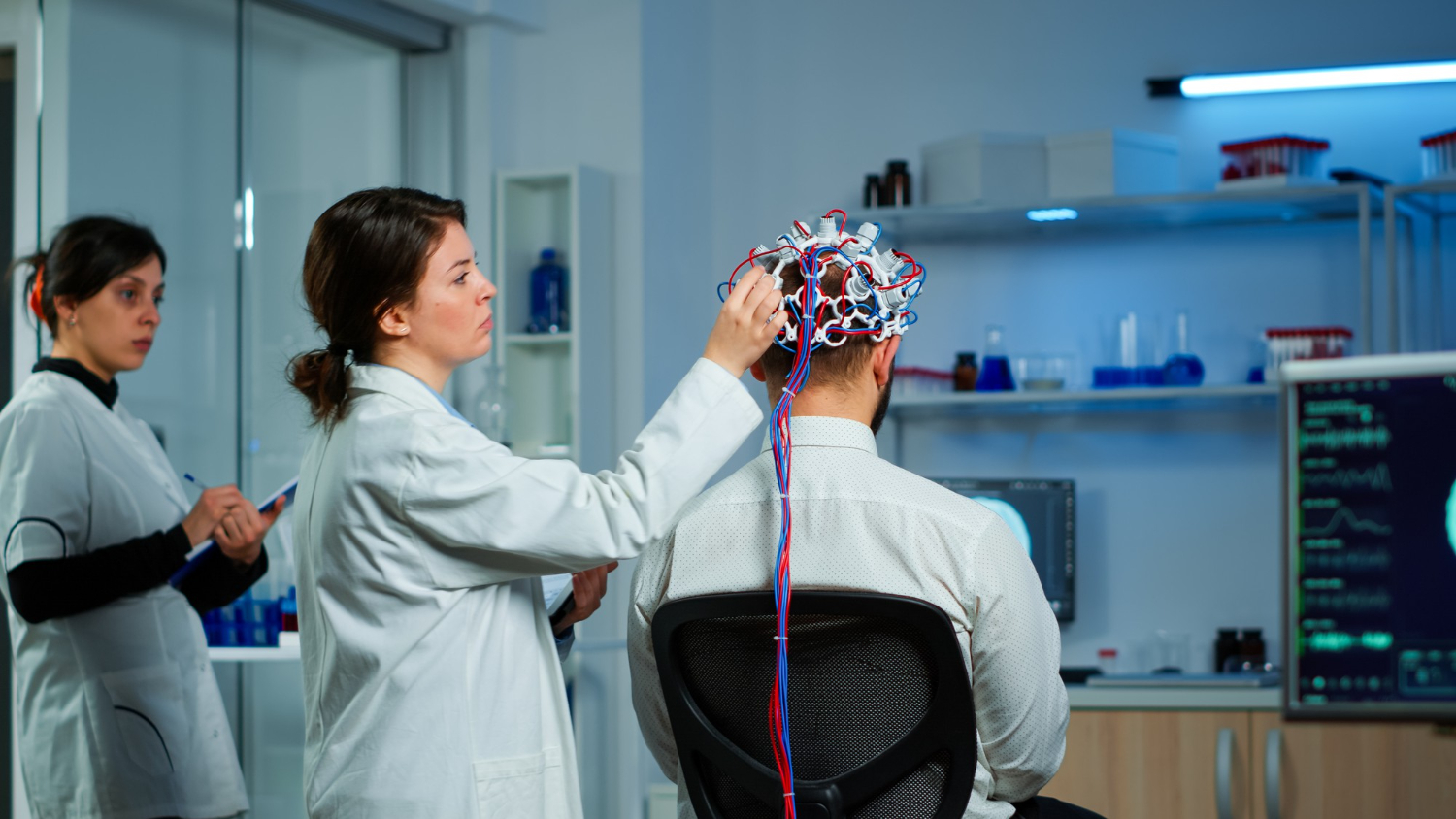
- EEG is a painless, non-invasive test to measure brain activity. It detects electrical patterns and abnormalities in real-time. Ideal for diagnosing seizures, epilepsy, and sleep disorders.
- EEG helps identify abnormal brain wave activity linked to seizures. Early detection supports quicker intervention and better outcomes. It's essential for patients with unexplained blackouts or convulsions.
- Real-time recording of brain waves during wakefulness or sleep. Helps neurologists evaluate cognitive functions and brain health. Useful in intensive care units and during surgeries.
- EEG can track brain activity throughout different sleep stages. Used to assess insomnia, sleep apnea, and narcolepsy. Guides treatment plans with precise neurological data.
- EEG evaluates the depth and activity of consciousness. Helps determine brain function in coma patients or after trauma. Provides insight into prognosis and potential recovery.
- EEG is suitable for children, adults, and elderly patients. No radiation or side effects make it extremely safe. A trusted tool in both clinical and home-based settings.
Electromyogram (EMG)
- EMG helps identify muscle weakness, nerve damage, and neuromuscular diseases. It plays a key role in diagnosing conditions like ALS or neuropathy. Early detection allows for timely and effective treatment.
- EMG evaluates how muscles respond to nerve stimulation. This helps determine the root cause of muscle pain or weakness. It’s a crucial test in pinpointing functional impairments.
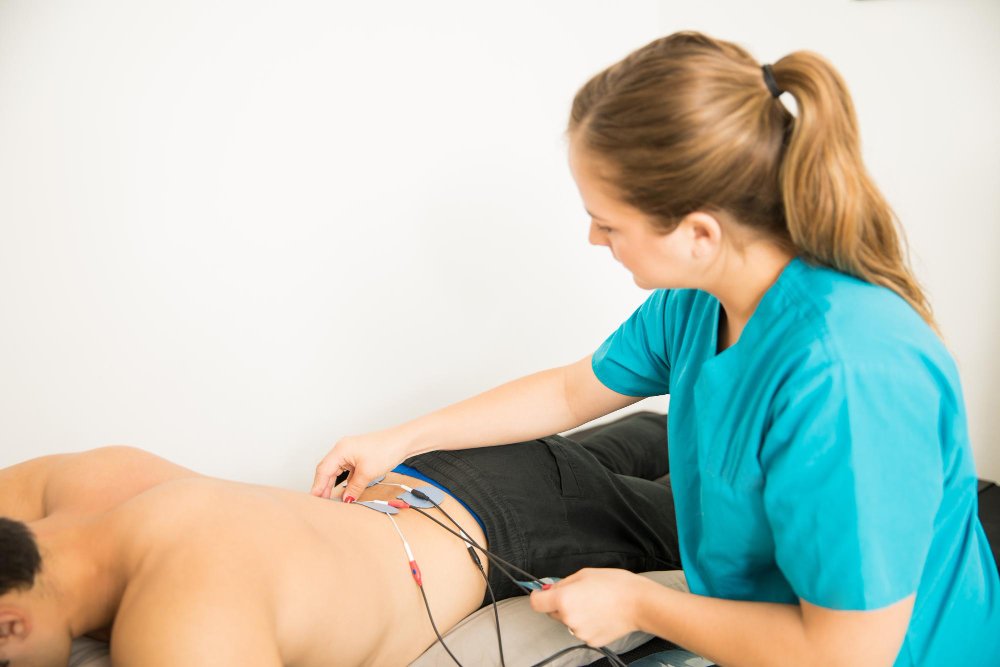
- Though mildly uncomfortable, EMG is generally well-tolerated. It’s a safe, outpatient procedure with minimal preparation needed. No downtime—patients resume normal activities post-test.
- Certified neurologists or trained technicians conduct the test. They ensure accurate electrode placement and interpretation. Professional oversight improves result accuracy and diagnostic confidence.
- EMG findings guide specialists in forming personalized therapies. It helps avoid unnecessary treatments or invasive procedures. This leads to better outcomes and focused care.
- EMG is commonly combined with NCV for a full picture. Together, they assess both nerve and muscle function thoroughly. This dual testing improves diagnostic clarity and precision.
Nerve Conduction Velocity (NCV)
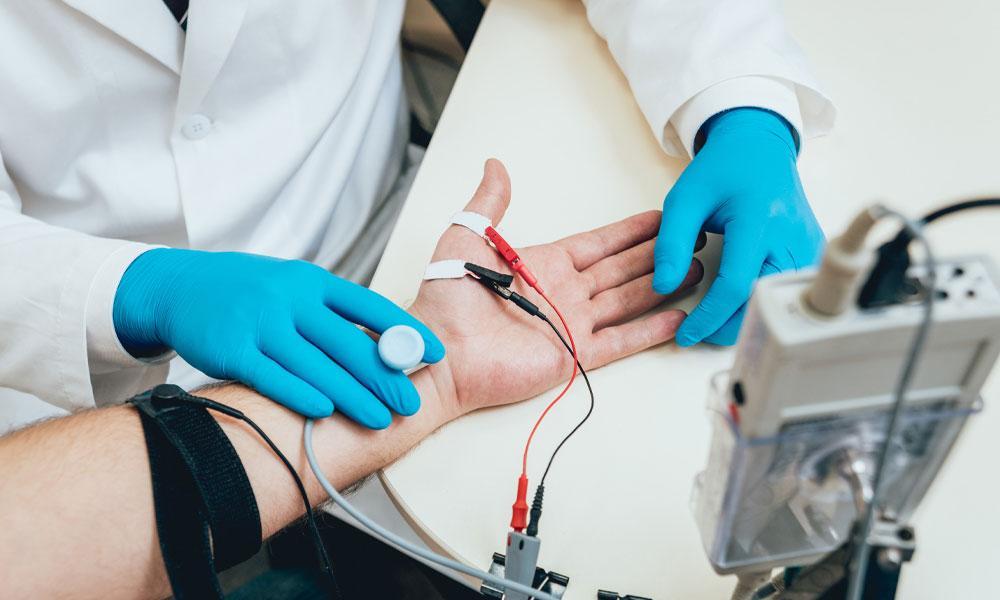
- NCV tests help evaluate how fast electrical signals move through your nerves. It detects nerve damage and pinpoints affected areas. This is essential for diagnosing conditions like neuropathy or carpal tunnel.
- The test is simple, safe, and usually completed within 30–60 minutes. Electrodes are placed on the skin to stimulate nerves. No needles or incisions are required during the process.
- NCV helps diagnose peripheral nerve injuries, diabetic neuropathy, and Guillain-Barré syndrome. It provides clear differentiation between nerve and muscle disorders. This allows for more targeted and effective treatment planning.
- Track the progression of nerve-related diseases over time. NCV testing helps assess the effectiveness of ongoing treatments. It enables better long-term management of neurological conditions.
- Every NCV test is conducted and analyzed by experienced specialists. Their insights ensure you get a precise diagnosis. They also help guide the next steps in your care plan.
- If you're experiencing numbness, tingling, or muscle weakness, NCV offers answers. It uncovers underlying nerve issues causing the symptoms. Early testing can prevent further damage and complications.